
Commercial renovation projects often look straightforward at the beginning. The scope is defined, contractors are lined up, permits are being discussed, and schedules are built around labor, materials, and tenant expectations. Then the project stalls. A survey was never ordered. Suspect materials are discovered after demolition planning has already begun. Notification timing gets pushed too close to the start date.
Suddenly, a project that looked ready to move forward runs into asbestos compliance issues that affect permitting, scheduling, and construction sequencing.
For contractors and property managers throughout Tampa Bay, this is one of the most common ways renovation timelines get disrupted. The good news is that many of these delays are preventable when asbestos inspections are handled early and correctly. Germ Masters Environmental provides commercial asbestos testing in Tampa Bay to help contractors, property managers, and commercial building owners obtain the documentation needed before renovation or demolition work begins.

Why Asbestos Inspections Are Required Before Renovation Projects
Many commercial buildings in Florida were built or updated during periods when asbestos-containing materials were commonly used in flooring, insulation, ceiling systems, fireproofing materials, roofing products, and wall compounds. When renovation work disturbs these materials, asbestos fibers can become airborne and create serious health risks for workers, occupants, and anyone near the affected work area.
Because of these risks, asbestos inspections are often required before renovation or demolition work begins. In commercial environments, this is not just a safety concern — it is also a compliance issue that can directly affect project scheduling.
Office remodels, tenant improvements, flooring replacement, interior demolition, and wall removal can all trigger the need for an inspection before work proceeds.
Contractors planning projects across Hillsborough County, Pinellas County, and Pasco County should understand how environmental requirements affect renovation planning. Our guide to commercial renovation permits and asbestos compliance in Tampa Bay explains how asbestos inspections fit into the broader permitting process.
Mistake #1: Waiting Until Permits Are Submitted
One of the biggest mistakes contractors make is treating asbestos testing like a last-minute task instead of an early planning step.
A project may move into permit discussions before the asbestos survey has even been scheduled. By the time someone asks for environmental documentation, the timeline is already tight and every additional day creates pressure on the schedule.
If a written survey is needed, laboratory testing must be completed, documentation has to be reviewed, and project sequencing may need to be adjusted depending on what materials are found.
Contractors who want to avoid this issue should understand the most common permit delays caused by missing asbestos testing, including late inspections, incomplete reports, and missed compliance steps that can disrupt renovation schedules.
Mistake #2: Not Scheduling an Inspection Before Interior Demolition
Interior demolition is one of the most common points where renovation projects run into asbestos-related problems.
A contractor may assume the work is minor because it involves selective demolition or partial upgrades rather than a full building teardown. However, once flooring, ceiling systems, drywall compounds, insulation, or adhesives are disturbed, the project may require an asbestos survey before work continues.
This mistake is especially common in office remodels, tenant improvement projects, retail buildouts, and older commercial properties where building materials have been layered over time.
Flooring replacement may expose old adhesive. Ceiling removal may uncover suspect materials above the grid. Wall demolition may disturb joint compounds and insulation that were never evaluated before the job was priced.
To better understand when these inspections are typically required, review our guide to asbestos inspections before commercial renovations.
Mistake #3: Assuming Clearance Inspections Are Automatic
Another mistake occurs after asbestos-containing materials have already been identified and removed.
Some contractors assume that once abatement is complete, the project can immediately move into the next phase of construction. In reality, clearance testing may be required to confirm that the work area is safe before renovation work resumes or occupants return to the building.
If clearance testing was not planned for, the schedule can stall again while inspections, air monitoring, and documentation are completed.
Our page on asbestos clearance inspections for commercial projects explains what contractors and property managers should expect after asbestos removal and how this step fits into renovation timelines.
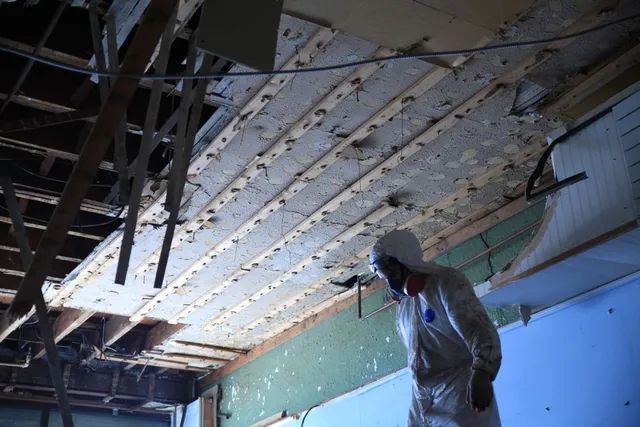
Commercial Renovation Projects That Often Require Asbestos Surveys
Several types of commercial renovation projects frequently require asbestos inspections before work begins, particularly in older buildings.
Common examples include:
• Office remodels and tenant suite upgrades
• Tenant improvement projects
• Retail buildouts and store renovations
• School and university renovations
• Healthcare facility upgrades
• Apartment or condominium building renovations
• Hospitality property upgrades
• Pre-demolition planning for older buildings
Because many of these structures were built during periods when asbestos-containing materials were widely used, environmental inspections are often required before construction activities disturb building materials.
How Contractors Avoid Asbestos Permit Delays
Experienced contractors reduce risk by building asbestos compliance into the early planning stages of the project rather than treating it as a last-minute step.
Following a structured process can help avoid delays and keep renovation schedules on track.
Step 1
Schedule the asbestos inspection before renovation or demolition planning begins.
Step 2
Identify suspect materials early to avoid unexpected demolition delays or change orders.
Step 3
Submit environmental documentation before demolition or renovation work begins.
Step 4
Complete clearance testing if asbestos abatement becomes part of the project.
Step 5
Coordinate with local regulatory programs when projects involve demolition or regulated materials.
Planning these steps early allows contractors to keep construction timelines on track and avoid unexpected regulatory delays.
Commercial Asbestos Testing in Tampa Bay
If your project involves demolition, renovation, or suspect building materials, early testing can save time and prevent compliance problems before they affect your schedule.
Germ Masters Environmental provides professional asbestos inspection services for contractors, developers, and property managers throughout the Tampa Bay region.
We regularly support renovation projects in Tampa, St Petersburg, Clearwater, Brandon, Riverview, Wesley Chapel, Largo, Palm Harbor, New Port Richey, and surrounding communities.
If you are planning a commercial renovation project and want to avoid compliance delays, learn more about our Commercial Asbestos Testing Services in Tampa Bay or schedule an inspection today.

Frequently Asked Questions
Why do renovation projects get delayed because of asbestos testing?
Renovation delays often happen when asbestos inspections are ordered too late, when documentation is incomplete, or when suspect materials are discovered after demolition planning has already begun.
Do contractors need asbestos inspections before interior demolition?
Many interior demolition and renovation projects require asbestos inspections before building materials are disturbed, especially in older commercial buildings.
What happens if asbestos is found during renovation planning?
If asbestos-containing materials are identified, the project team may need to adjust the schedule, complete removal work, and perform clearance testing before renovation can continue.
Can asbestos clearance testing delay a project?
Yes. If clearance inspections are required after removal work but were not built into the schedule, reconstruction and occupancy timelines can be delayed.


